Support for autistic and neurodivergent children, teens, and young adults.
Whole Child · Whole Family · Whole Heart
Sometimes it helps to have someone who understands how your child experiences the world. Or someone who can help you make sense of your own needs as you get older.
At Haven, I work with young people and parents on the parts of everyday life that feel difficult. For young children, that may mean reducing challenging behavior by building communication, regulation, and routine skills. For teens and young adults, it often means working toward independent life skills — managing school, work, daily tasks, and relationships with more confidence.
Based in St. Petersburg, Florida.

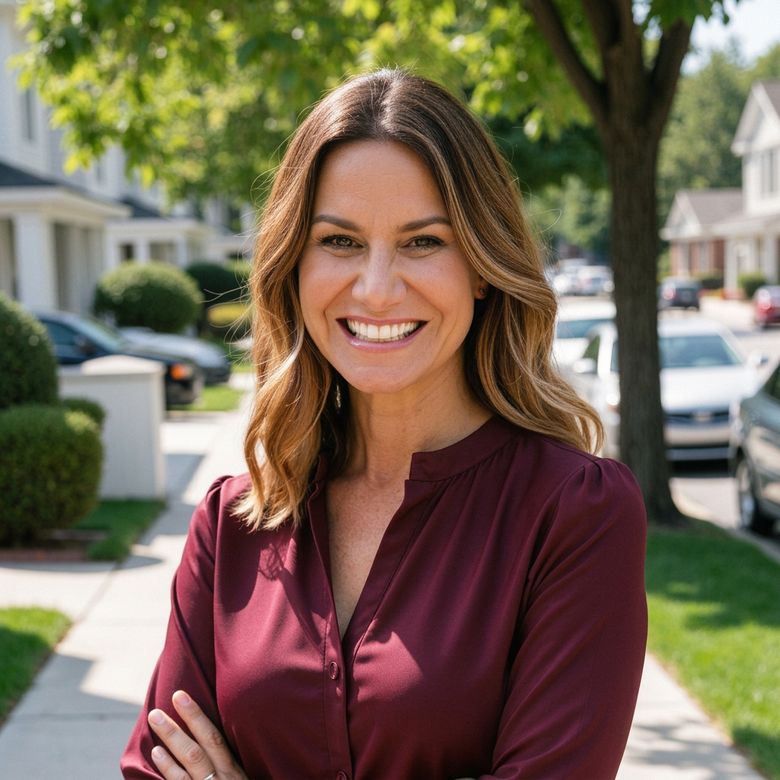
Hi, I’m Jennifer.
I’m a licensed and board certified behavior analyst, and I started working with kids on the spectrum back in high school. That early experience never left me: families need someone who sees the whole kid, not just the diagnosis.
Most BCBAs are trained to look at behavior. I’m trained to look at the brain behind it. My graduate work in Applied Educational Neuroscience means I consider nervous system regulation first. And my continuing study of Acceptance and Commitment Therapy shapes how I help kids and parents build psychological flexibility instead of just managing symptoms.
I’m also a parent. I know support happens at the breakfast table, in the car line, and at bedtime when everyone is out of patience. That’s why I never look at just what happens in session — I look at your actual life.
What is feeling hard right now?
Most families do not arrive knowing exactly which service they need. They arrive because something has been hard. If you recognize any of this, you are in the right place.
- Mornings, transitions, or after-school hours feel overwhelming — for your child and for you. Shifting from one thing to the next takes extra fuel, and the day can derail before it really starts.
- Friendships take more energy than they seem to give, and your child feels left out or misunderstood. They want connection, but the unwritten social rules feel confusing or exhausting to keep up with.
- Your teen is bright, but starting tasks, staying organized, or following through is a daily struggle. Even when they care about the work, initiation can feel like pushing a boulder uphill.
- Small changes in routine or expectations lead to big reactions that are hard to recover from. A plan that shifts, a sensory surprise, or a demand they did not expect can derail the whole afternoon.
- You are a young adult managing college, work, relationships, or daily life, and it is taking more than you have to give. Masking, burnout, and the gap between what you can do and what the world expects are wearing you down.
- Your child has passionate interests or deep knowledge in specific topics, but sharing them with peers does not always land the way they hope.
- Noises, textures, lights, or crowds that seem fine to others feel unbearable to your child, and you are not sure how to make the world fit them better.
- You want to understand your child better and feel steadier in how you respond. You are tired of guessing what they need and want practical ways to support them without forcing them to fit a mold.
If this sounds like you
You are noticing patterns at home, school, or work that keep getting in the way. You want practical steps that fit your real routines, not a one-size-fits-all plan. If that resonates, the next step is a brief conversation about what would actually help.


You do not need the right words or the right label. We can start with what is happening and figure out the next step together.
How I can help
Children
Support with communication, transitions, daily routines, and behaviors that interfere with safety or participation. We look at what may be contributing to a difficulty and teach useful skills while considering changes to the support around your child.
Adolescents
Support with the growing demands of school, friendships, self-advocacy, and independence. We make room for the teen's perspective and work on goals that matter to them, including independent life skills.
Young Adults
Practical support with college, work, relationships, organization, and daily responsibilities — with a focus on independent life skills that match your goals and pace. You have a say in what we work on and whether other people are involved.
Parents and Caregivers
Space to talk through difficult situations, understand patterns, and develop practical ways to respond. We consider your child's needs alongside what is manageable for your family.

Getting to know the person comes first.
A diagnosis can tell us something, but it does not tell us everything.
I take time to understand each person’s communication, sensory needs, interests, relationships, and experiences. Together, we identify useful goals and consider what support or changes in the environment could make daily life easier.
There is room to build skills while respecting differences. Being more comfortable, having more choice, and being able to ask for what you need all matter.
Everything is individualized to the person in front of us. For children, that often means play- and movement-based work that meets them where they are and builds from their strengths.
Questions families ask before their first call.
What ages do you work with?
I work with children, adolescents, and young adults, and I offer consultation for parents and caregivers. The type of support depends on the person's age, needs, and goals. When you reach out, share the age of the person seeking support so we can discuss whether my services are a good fit.
What services do you offer?
I offer individualized behavior analysis, parent and caregiver consultation, executive functioning and life-skills support, and behavioral support including ABA when it is a good fit. Everything is tailored to the person, not the diagnosis.
What happens at the first appointment?
The first appointment gives us time to understand what brought you in, what is going well, and where support is needed. Depending on the service, this may include conversation, observation, and questions about daily routines and skills. For children, we will discuss whether to begin with a parent meeting, a meeting with the child, or both. Teens and young adults are involved in identifying their own concerns and goals. We will discuss any additional assessment that would be useful and agree on next steps together.
How is the free consultation different from the first appointment?
The free 15-minute consultation is a brief, no-cost phone conversation to answer your questions, describe the services available, and decide together whether an appointment makes sense. The first appointment is a scheduled, paid session where we begin the work described above.
Can I meet with you without my child?
Yes. Parent consultation can focus on understanding your child's needs, talking through difficult situations, and developing practical ways to respond. Your child does not need to attend every meeting for us to work on how you support them.
Can I contact you for myself?
Yes. You can reach out directly to discuss your own goals and questions. We will talk about privacy, consent, and whether you want anyone else involved in your support.
How do I schedule?
You can schedule a free 15-minute consultation through the contact form on this site or by calling (727) 316-5751. We will respond within two business days.
How much do sessions cost?
Individual sessions are $165 for 60 minutes. We will confirm the fees for the specific services you are considering before you book. Every family also receives a written Good Faith Estimate before care begins.
Do you accept insurance?
Haven does not bill insurance directly. If you plan to seek reimbursement, contact your insurer before booking to ask whether the specific service and provider are eligible. A superbill does not guarantee reimbursement.
What is your approach to ABA?
My approach to ABA starts with understanding the person's strengths, needs, interests, and daily life. For younger children, learning often happens through play and everyday routines. For teens and young adults, we may practice skills related to school, work, communication, and managing responsibilities. We choose goals that support communication, safety, participation, and personal choice. I pay attention to the person's willingness to participate and adjust when something is overwhelming. The aim is to build useful skills while respecting differences in how people communicate and experience the world.
Have a question we did not cover? Reach out, we are happy to help.
Getting started
Let’s talk.
Schedule a free 15-minute consultation to share what you are looking for and ask questions.
See whether it feels like a fit.
We will discuss the support available, fees, and possible next steps.
Decide where to begin.
If we move forward, we will identify an initial focus together. You do not need to arrive with everything figured out.
Tell me what you’re looking for.
Whether you are reaching out for your child or yourself, you are welcome to ask questions before deciding.
Schedule a Free Consultation